Have you ever heard someone say, “Run like the wind!” and wondered why it sounds so dramatic? Maybe it popped up in a chat with friends, a TikTok video, or even a meme, and you weren’t quite sure how to take it. It’s one of those phrases that feels exciting, urgent, and kind of mysterious all at once.
Understanding its meaning can actually make your online chats, jokes, and even motivational moments feel more relatable. From casual messaging to social media trends, this phrase is surprisingly versatile. As someone who’s spent years exploring slang, memes, and online lingo, I’ve seen how phrases like this capture both emotion and action instantly.
What Does “Run Like the Wind” Mean?
Simply put, “run like the wind” means to move very fast, either literally or figuratively. It’s often used to tell someone to hurry, escape, or act quickly. Beyond speed, it can also convey urgency, excitement, or playful exaggeration in conversations.
Meaning & Definition
Primary Meaning: Move swiftly or with great speed, similar to how the wind flows.
Secondary Meaning: Act decisively or escape a situation quickly; can also imply doing something energetically or with passion.
Chat Examples:
- Friend 1: “We’re late for the movie!”
Friend 2: “Alright, run like the wind!” - Gaming group chat: “Enemy spotted! Everyone, run like the wind!”
Background & Origin
The phrase “run like the wind” has roots in literary and poetic descriptions of speed, likening a person’s motion to the unstoppable flow of wind. Over time, it made its way into pop culture, video games, and memes. It became especially popular online through TikTok and Discord, where exaggeration adds humor or urgency to everyday situations.
Usage in Different Contexts
Casual Chats:
- “Run like the wind! The ice cream truck is here 🍦”
- Light, playful encouragement
Social Media:
- TikTok captions: “When the weekend hits… run like the wind!”
- Often paired with fast or funny clips
Professional Use:
- Rare, but could be motivational in informal team chats: “Team, let’s finish this sprint! Run like the wind!”
Gaming / Group Chats:
- “Boss fight incoming! Everyone, run like the wind!”
- Common in high-action or competitive contexts
Meanings Across Platforms
| Platform | Tone | Example |
| Playful/Urgent | “Hurry! Run like the wind or we’ll miss it!” | |
| Excited/Funny | “Monday mornings got me like… run like the wind 🏃♂️💨” | |
| TikTok | Dramatic/Funny | Meme clip caption: “Me running from responsibilities: run like the wind!” |
| Snapchat | Casual/Humor | “Ghosting my ex like… run like the wind 👻” |
| Discord | Gaming/Energetic | “Loot’s spawning! Everyone, run like the wind!” |
Real-Life Examples & Memes
- Text to a friend: “Car’s leaving in 2 mins—run like the wind!”
- Gaming meme: Image of character sprinting: “When the final circle hits: run like the wind 🏃♀️💨”
Humorous: “Me running to the fridge at 2 AM: Run. Like. The. Wind.”
Run like the wind meaning slang
In slang or casual English, “run like the wind” means to run extremely fast. People usually say it to encourage someone during a race, game, or competition.
It can also mean escaping quickly from a situation.
Examples:
- “The dog got loose and ran like the wind.”
- “When the teacher announced a surprise test, the students ran like the wind.”
The phrase gives a feeling of speed, freedom, and energy. It sounds more exciting than simply saying “run fast.”
Run like the wind meaning origin
The phrase comes from the natural speed and movement of wind. Since ancient times, wind has been connected with power, freedom, and quick movement.
People started comparing fast runners to the wind in literature and spoken English many years ago. Over time, “run like the wind” became a common idiom used in sports, storytelling, and daily conversation.
The idea behind the phrase is simple:
- Wind moves quickly and smoothly.
- A fast runner can move in the same way.
That comparison created the expression we use today.
Run like the wind idiom sentence
Here are some easy idiom sentences using “run like the wind”:
- “The athlete ran like the wind and won the race.”
- “As soon as school ended, the kids ran like the wind toward the playground.”
- “He heard thunder and ran like the wind back home.”
- “The horse ran like the wind across the field.”
- “If you want to catch the bus, you better run like the wind.”
These examples show how the idiom is used naturally in English conversations.
Run like the Wind anime
“Run with the Wind” is a popular Japanese sports anime about long-distance running and teamwork. The anime follows college students training for a major relay marathon race.
The story focuses on friendship, motivation, discipline, and never giving up. Many fans love it because it combines emotional storytelling with sports action.
Why people love the anime:
- Inspiring characters
- Emotional moments
- Motivational life lessons
- Realistic sports training
- Strong friendship themes
Even viewers who are not interested in running often enjoy the anime because of its powerful story and character development.
Run like the wind origin
The origin of “run like the wind” is linked to poetic and historical comparisons between humans and nature.
Writers and storytellers often used wind as a symbol of:
- speed
- freedom
- strength
- movement
As the English language evolved, the expression became a fixed idiom. Today, it is commonly used in sports commentary, motivational speeches, books, and movies.
The phrase remains popular because it creates a vivid mental image that everyone understands instantly.
Run like the wind, Bullseye
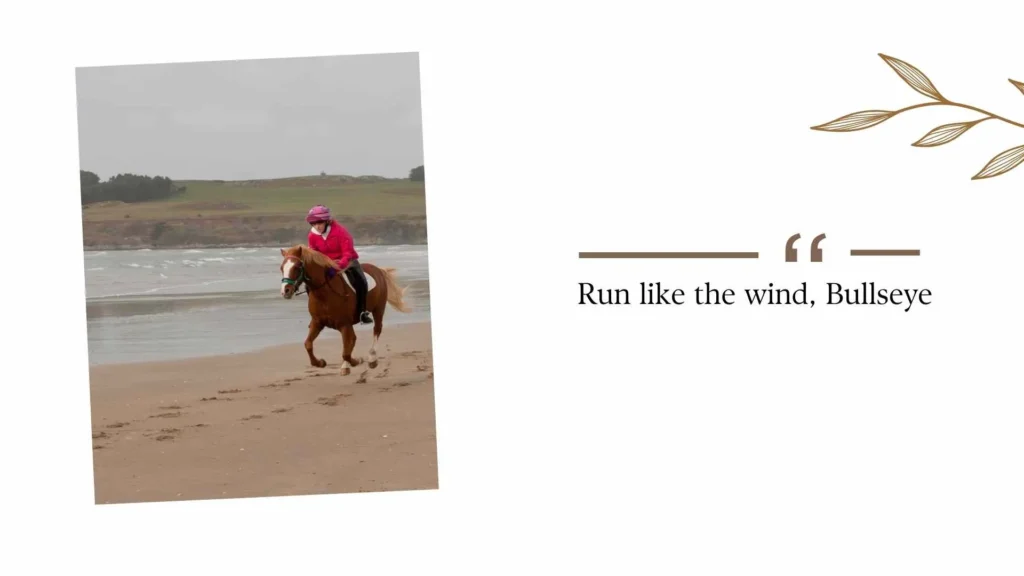
“Run like the wind, Bullseye!” is a famous quote from the animated movie Toy Story 2.
In the movie, Bullseye is Woody’s loyal horse companion. The line is spoken during exciting scenes and became memorable among fans of the film.
The quote is loved because it sounds energetic, fun, and adventurous. Many people still repeat it jokingly or nostalgically today.
Fans of animated movies often recognize the phrase immediately.
Run like the wind movie quote
Many movies use the phrase “run like the wind” because it sounds dramatic and motivational.
It is often said during:
- racing scenes
- escape moments
- sports competitions
- action sequences
The quote works well in films because it instantly creates excitement and emotion.
Example movie-style lines:
- “Come on, run like the wind!”
- “He ran like the wind to save his friend.”
- “The champion moved like the wind across the track.”
This phrase continues to appear in modern entertainment because of its powerful imagery.
Run like the wind poem
Poets often use “run like the wind” to describe freedom, dreams, youth, and adventure.
Here’s a short original poem:
Run like the wind so wild and free,
Chase your dreams across the sea.
Never stop and never hide,
Let your fearless heart be your guide.
Poems using this phrase usually focus on hope, movement, and personal strength.
Why “Run Like the Wind” Is Still Popular
The phrase remains popular because it is:
- simple to understand
- emotional and powerful
- easy to use in conversation
- common in sports and movies
- visually descriptive
People of all ages use it in everyday English because it sounds motivating and energetic.
Cultural or Regional Interpretations
US / UK: Generally playful, motivational, or urgent in tone.
Asia (India, Pakistan, Philippines): Used casually among youth in chats, sometimes translated directly into local languages in memes.
Australia: Less common, but recognizable thanks to global media exposure.
Other Meanings
| Field | Meaning | Description |
| Literature | Swift movement | Used metaphorically to describe speed or freedom |
| Gaming | Escape / urgent action | Players urged to act fast or flee |
| Motivation | Energy / drive | Encouraging effort or enthusiasm |
Common Mistakes & Misconceptions
- Thinking it only refers to literal running.
- Using it in overly formal/professional writing.
- Misinterpreting urgency as anger or aggression.
- Assuming it’s always serious; often it’s playful.
Psychological / Emotional Meaning
- Positive: Motivating, playful, humorous
- Neutral: Descriptive, literal motion
- Negative: Rarely; can imply stress if overused in urgent contexts
Similar Terms & Alternatives
| Word/Phrase | Meaning | Tone |
| Dash | Run quickly | Neutral |
| Sprint | Short burst of speed | Energetic |
| Bolt like lightning | Extremely fast movement | Dramatic |
| Hightail it | Escape quickly | Casual/Funny |
Is It Offensive or Friendly?
Friendly. “Run like the wind” is generally encouraging or humorous, never insulting. Context matters: in urgent warnings, it may feel stern but not offensive.
Grammar or Linguistic Insight
It’s a simile comparing running speed to wind. Over time, it evolved from poetic writing into casual slang, showing how figurative language can become everyday expression.
How to Respond
- “On it! 🏃💨”
- “Running as fast as I can 😅”
- “Already halfway there!”
- “Catch me if you can! 😉”
Differences From Similar Words
| Phrase | Difference from “Run like the wind” |
| Run fast | Literal, no metaphorical flair |
| Sprint | Short distance focus |
| Bolt | Sudden start, usually escape |
Relevance in Dating & Online Culture
Used in playful texts, flirting, and memes. Gen Z often pairs it with GIFs, emojis, or challenges on apps like Tinder and Instagram. Suggests humor, energy, and spontaneity.
Popularity & Trends
TikTok and Discord memes have made “run like the wind” a staple for humor and urgency. It’s also a go-to in speedrun gaming captions and fast-paced video content.
When NOT to Use “Run Like the Wind”
- Formal emails or professional reports
- Serious safety warnings where literal instruction is better
- Legal or medical contexts
FAQs
Q1: Can “run like the wind” be used literally?
Yes, it can describe someone running very fast in real life.
Q2: Is it slang?
Not exactly slang, but it’s informal and often playful.
Q3: Who commonly uses it?
Younger audiences, gamers, and social media users.
Q4: Can it be used in professional chats?
Only in informal, casual team discussions.
Q5: Is it a positive phrase?
Mostly positive or humorous; rarely negative.
Conclusion
“Run like the wind” is more than just a phrase—it’s a little spark of urgency, humor, and energy in our chats, memes, and social media posts.
If literally sprinting, gaming, or joking with friends, it captures a sense of speed and excitement. Next time someone tells you to run like the wind, you’ll know it’s all about action, fun, and a dash of dramatic flair.

Emma Wilson is a lifestyle and wellness writer who focuses on mindful living and personal balance. Her words are warm, relatable, and designed to connect emotionally with readers.
Books:
-
Live Calm, Live Better
-
Everyday Joy Journal