Have you ever received a message that felt cold, rude, or like someone was trying to start an argument? You may have wondered, “Is this person being hostile?” The word hostile appears in daily conversations, news, games, and social media.
Understanding its meaning helps you read situations better and respond wisely. Based on common online language trends, this word is often used in chats to describe negative or unfriendly behavior.
What Does Hostile Mean? (Direct Answer)
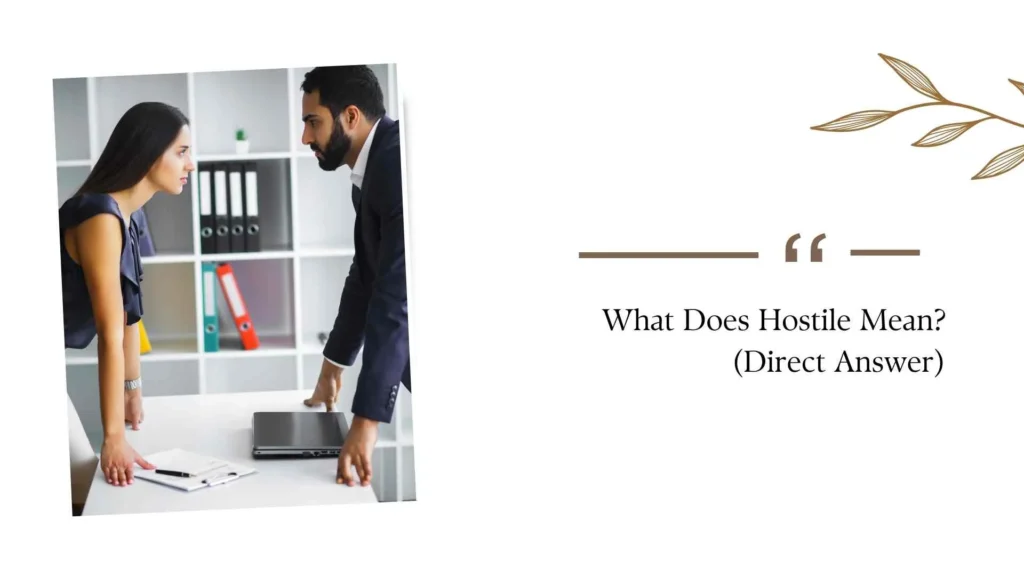
Hostile means showing anger, unfriendliness, or a strong dislike toward someone or something. It can describe a person, attitude, action, environment, or situation that feels aggressive, unfriendly, or against another person.
Meaning & Definition of Hostile
The word hostile means someone or something that is not friendly, welcoming, or peaceful.
In simple words, when a person acts hostile, they may seem angry, disrespectful, or ready for conflict.
Primary Meaning
The main meaning of hostile is:
- Unfriendly
- Aggressive
- Opposed to someone or something
- Showing anger or dislike
Secondary Meanings
Hostile can also describe:
- A difficult environment
- A dangerous situation
- A place that is not safe or welcoming
Chat Examples:
Example 1:
Person A: “Why was he so quiet and angry today?”
Person B: “I don’t know, he seemed hostile.”
Example 2:
“I asked a simple question, but her reply sounded hostile.”
This means the reply felt rude or unfriendly.
Background & Origin of the Word Hostile
The word hostile comes from the Latin word hostilis, meaning “of an enemy.” It is connected to the Latin word hostis, which means “enemy.”
Over time, the word became common in English to describe anything that shows opposition or unfriendly behavior.
Today, people use hostile in everyday conversations, online discussions, workplaces, and entertainment.
Usage of Hostile in Different Contexts
Hostile in Casual Chats
In normal conversations, hostile usually describes someone’s attitude or tone.
Example:
“Why are you being hostile with me?”
Meaning:
“Why are you acting angry or unfriendly?”
Hostile on Social Media
On platforms like TikTok, Instagram, and Snapchat, people often use hostile to describe:
- Mean comments
- Online arguments
- Negative reactions
Example:
“That comment section became really hostile.”
It means people were fighting or being rude.
Hostile in Professional Use
In workplaces, hostile can describe:
- A negative work environment
- Aggressive behavior
- Poor communication
Example:
“The meeting became hostile after the disagreement.”
Hostile in Gaming and Group Chats
Gamers often use hostile for:
- Enemy players
- Toxic teammates
- Aggressive behavior
Example:
“Watch out, the other team is hostile.”
Meaning:
“They are attacking or acting aggressively.”
Meanings Across Platforms
| Platform | Tone | Example |
| Personal, emotional | “Your message sounded hostile.” | |
| Social, judgmental | “People are so hostile in these comments.” | |
| TikTok | Trendy, dramatic | “The replies became hostile fast.” |
| Snapchat | Casual | “Why are you being hostile today?” |
| Discord | Gaming/community | “That player is hostile.” |
Real-Life Examples & Memes
Sometimes people use hostile in a funny or exaggerated way.
Chat Example:
Friend: “I only asked where the snacks are.”
Friend 2: “Why did you sound so hostile?”
Funny Meme-Style Lines:
“When someone says ‘okay’ with a full stop… suddenly it feels hostile.”
“My phone battery at 1% is more hostile than my enemies.”
These jokes show how people use the word in a playful way online.
Cultural or Regional Interpretations
US / UK
In the US and UK, hostile usually means aggressive, unfriendly, or angry.
Example:
“A hostile reaction” means a negative response.
India, Pakistan, and Philippines
In South Asian online conversations, people often use hostile to describe someone who is:
- Rude
- Angry
- Giving negative vibes
Example:
“Don’t be hostile, I was just asking.”
Australia
In Australia, hostile can also describe harsh environments, such as difficult weather or unsafe conditions.
Other Meanings of Hostile
| Field | Meaning | Description |
| Psychology | Negative behavior | Shows anger or rejection |
| Military | Enemy-related | Against another force |
| Environment | Difficult conditions | Unsafe or challenging place |
| Technology | Threatening action | Harmful or unwanted activity |
| Relationships | Emotional distance | Cold or unfriendly behavior |
Common Mistakes About Hostile
- Hostile does not always mean violent. It can simply mean unfriendly.
- A person can sound hostile without trying to be rude.
- Hostile is about behavior, not someone’s entire personality.
- A disagreement is not always hostile.
- Being quiet does not automatically mean someone is hostile.
Psychological & Emotional Meaning of Hostile
The emotional meaning of hostile depends on the situation.
Negative Tone
“His hostile attitude upset everyone.”
This means his behavior felt aggressive.
Neutral Tone
“The two teams had a hostile competition.”
This may simply mean strong opposition.
Positive/Playful Use
Friends may jokingly say:
“You are hostile today!”
They may mean someone is acting dramatic or annoyed.
Similar Terms & Alternatives
| Word | Meaning | Tone |
| Angry | Feeling upset | Negative |
| Rude | Not polite | Negative |
| Unfriendly | Not warm | Neutral |
| Aggressive | Forceful behavior | Negative |
| Defensive | Protecting yourself | Neutral |
| Cold | Emotionally distant | Negative |
Is Hostile Offensive or Friendly?
The word itself is not offensive. It depends on how you use it.
Saying:
“You are hostile.”
may sound like criticism.
But saying:
“Your reply sounded a little hostile.”
sounds more polite and focused on the behavior.
Grammar & Linguistic Insight
Hostile is an adjective.
It describes a person, action, feeling, or situation.
Examples:
- Hostile person
- Hostile message
- Hostile environment
- Hostile reaction
The word has changed over time from describing enemies to describing everyday behavior.
How to Respond If Someone Says You Are Hostile
You can reply calmly:
- “I didn’t mean to sound that way.”
- “Sorry, my message came across wrong.”
- “Can you explain what felt hostile?”
- “I’m not angry, I just wanted to be clear.”
- “Let’s talk about it calmly.”
Differences From Similar Words
| Word | Difference |
| Hostile | Shows dislike or opposition |
| Mean | Intentionally unkind |
| Angry | Feeling upset |
| Toxic | Harmful repeated behavior |
| Harsh | Too strong or unpleasant |
Hostile Meaning in Dating & Online Culture
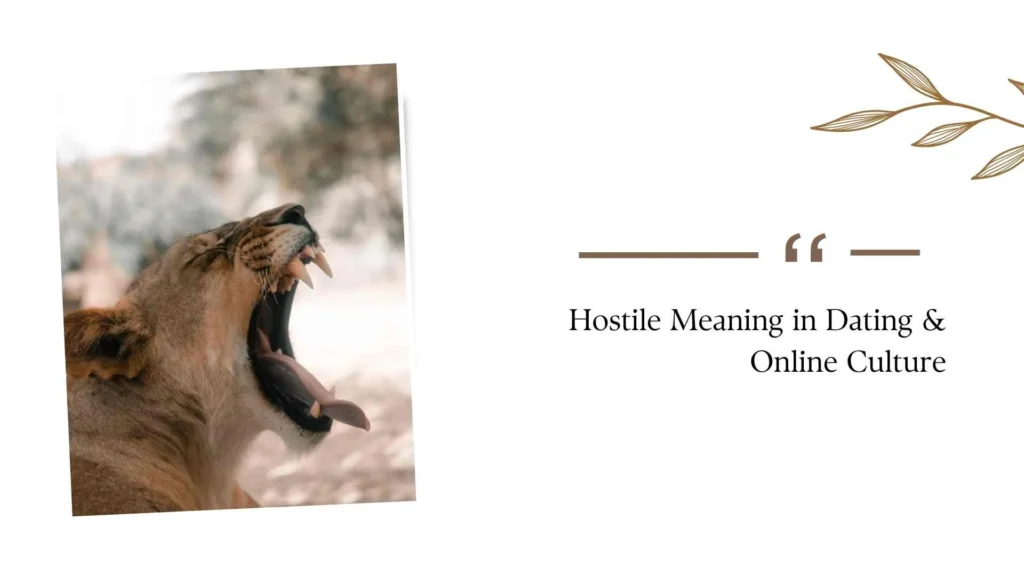
In dating apps like Tinder and online chats, hostile is often used when someone gives:
- Cold replies
- Negative reactions
- Defensive messages
For Gen Z, tone matters a lot because short texts can easily feel more serious than intended.
Example:
“k.”
Someone may joke that it looks hostile, even if the person was simply busy.
Popularity & Trends
The word hostile has become common in online culture because people talk more about:
- Online arguments
- Comment sections
- Relationship communication
- Social media behavior
TikTok and meme culture often use the word in exaggerated ways for humor.
When NOT to Use Hostile
Avoid calling someone hostile in situations where it may sound like a personal attack.
Do not use it:
- In a professional email
- During a serious workplace discussion
- When you only have a small misunderstanding
- When describing someone without knowing their feelings
Instead, use softer phrases:
“Your message sounded a little strong.”
or
“I misunderstood your tone.”
FAQs About Hostile Meaning
What does hostile mean in simple words?
Hostile means unfriendly, angry, or showing opposition toward someone or something.
Is hostile a bad word?
Not always. It depends on the situation. It can describe behavior, situations, or attitudes.
Does hostile mean angry?
Sometimes. Hostile often includes anger, but it mainly means unfriendly or aggressive behavior.
What is an example of hostile behavior?
Ignoring someone, attacking their ideas, or responding in an aggressive way can be considered hostile.
Can a message sound hostile?
Yes. A text can feel hostile because of the words, punctuation, or tone used.
Conclusion
The meaning of hostile is simple: it describes something unfriendly, aggressive, or against someone. The word appears everywhere, from everyday talks to social media and gaming.
Understanding the tone behind the word helps you communicate better. Sometimes a message may feel hostile without the person meaning it that way, so a little patience can prevent unnecessary conflicts.

Sofia Lane is a romantic storyteller and relationship content creator who loves writing cute, sweet, and clever pickup lines.
She mixes humor with charm, helping readers express feelings in a fun and memorable way. Sofia’s writing style is playful, modern, and relatable.
perfect for people who want to flirt confidently and creatively.