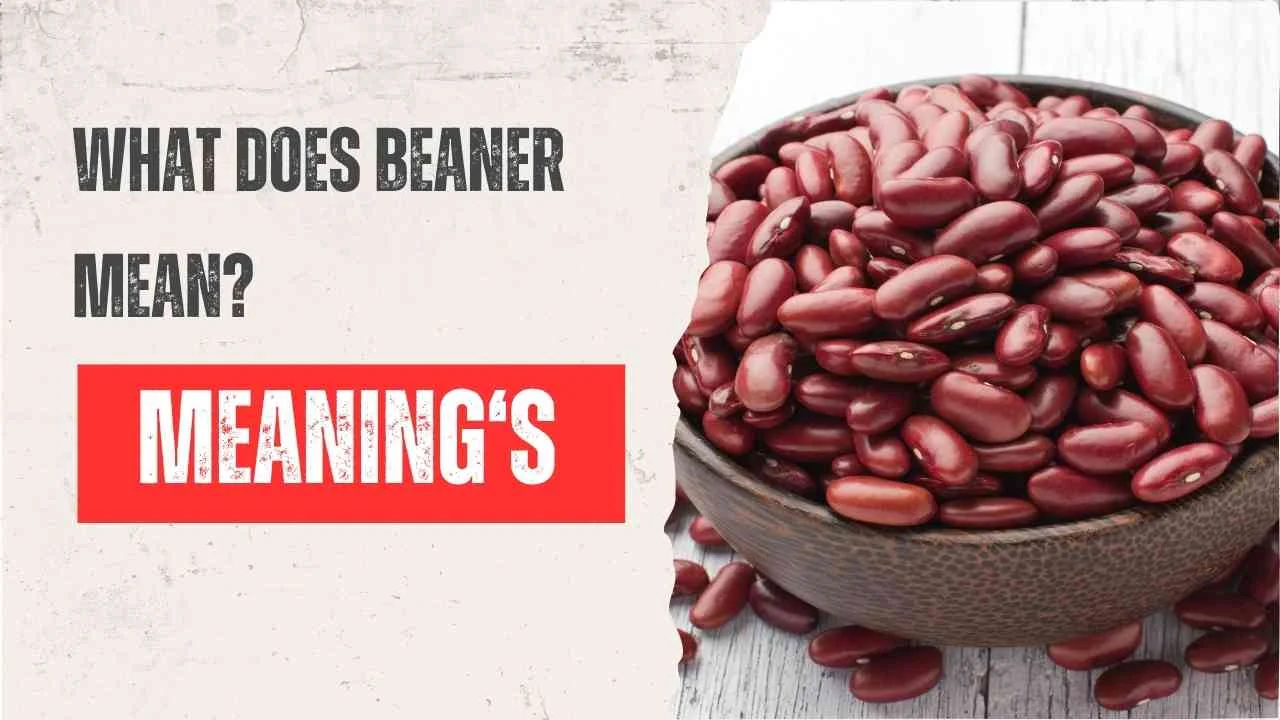
Have you ever come across the word “beaner” in a comment section, social media post, meme, or online conversation and wondered what it means?
Many internet users encounter unfamiliar slang terms every day. Some words seem harmless at first, while others carry deeper cultural meanings that aren’t immediately obvious. Understanding these terms can help avoid misunderstandings and prevent accidental offense.
The term “beaner” is one of those words that often raises questions. Depending on the context, it can have different interpretations, but its most common usage is important to understand before using it yourself.
This guide explains the meaning of “beaner,” where it came from, how people use it online, and why it can be considered offensive.
As someone who regularly analyzes internet slang, social media trends, and online communication patterns, I’ve noticed that many users search for this term simply because they want to understand what they saw in a conversation.
What Does Beaner Mean?
The word “beaner” is generally considered a derogatory slang term used to refer to people of Mexican heritage or Mexican immigrants. It has historically been used as an ethnic insult and is often viewed as offensive. While some individuals may use it jokingly within certain groups, it is widely regarded as disrespectful and should be used with caution.
The term has been discussed in conversations about ethnicity, cultural identity, and respectful language for many years. Understanding the history and context behind words like “beaner” can help promote better communication and cultural awareness. Since language evolves over time, recognizing how certain expressions may affect different communities is important for avoiding misunderstandings and showing respect in both online and offline interactions.
Meaning and Definition
Primary Meaning
The most common meaning of “beaner” is an ethnic slur directed at Mexican people or individuals of Mexican descent.
The term is generally considered offensive because it stereotypes a group of people based on cultural assumptions.
Secondary Meanings
In rare cases, some people may use the term jokingly among friends or within certain communities. However, this does not remove its historical association with discrimination.
Because meanings can vary depending on context, understanding the audience is important.
Chat Examples
Example 1:
Person A: “What does beaner mean?”
Person B: “It’s usually an offensive slang term for Mexican people.”
Example 2:
Person A: “I saw that word in a meme.”
Person B: “Be careful with it because many people consider it offensive.”
Background and Origin
The exact origin of the term is linked to stereotypes involving traditional Mexican foods that contain beans.
The word began appearing in the United States during the early twentieth century and was often used in a negative way toward Mexican immigrants and Mexican-American communities.
Over time, awareness increased regarding ethnic slurs and discriminatory language, causing many people to recognize the term as offensive.
Today, the word frequently appears in discussions about language, culture, online arguments, and internet slang.
Usage in Different Contexts
Casual Chats
Sometimes people encounter the term while discussing slang.
Example:
“What does beaner actually mean?”
Social Media
The term may appear in comments, memes, or controversial posts.
Example:
“That comment was removed because it contained offensive language.”
Professional Use
There is generally no appropriate professional use for this term.
Workplaces, schools, and organizations usually discourage language that could be viewed as discriminatory.
Gaming and Group Chats
Online gaming communities occasionally encounter offensive slang.
Example:
“A player was warned for using offensive terms in chat.”
Meanings Across Platforms
| Platform | Tone | Example |
| Usually negative | “Don’t use that word, it’s offensive.” | |
| Context-dependent | Seen in comments or memes | |
| TikTok | Often discussed educationally | Videos explaining slang meanings |
| Snapchat | Informal | Used in private conversations |
| Discord | Commonly moderated | May violate server rules |
Real-Life Examples and Memes
Chat-Style Examples
Friend 1: “I saw someone use the word beaner online.”
Friend 2: “It’s usually considered a slur.”
Friend 1: “Good thing I asked before using it.”
Meme-Style Examples
- “Google one word and suddenly learn a whole history lesson.”
- “When you think it’s harmless slang but discover it’s controversial.”
Cultural or Regional Interpretations
United States
In the US, the term is widely recognized as an ethnic slur and is generally considered offensive.
United Kingdom
People may be less familiar with the term, but it is still viewed negatively when its meaning is understood.
India, Pakistan, and the Philippines
Many users encounter the term online through memes, gaming communities, and social media discussions rather than everyday conversation.
Australia
The word is generally recognized as offensive when used toward Mexican people.
Other Meanings
| Field | Meaning | Description |
| Internet Slang | Ethnic insult | Most common meaning |
| Cultural Discussion | Historical term | Discussed in educational contexts |
| Social Media | Trending term | Often explained in slang videos |
| Language Studies | Example of a slur | Used in discussions about language and discrimination |
Common Mistakes and Misconceptions
- Assuming it is harmless slang.
- Thinking everyone uses it jokingly.
- Believing it is acceptable in professional settings.
- Using it without understanding its history.
- Assuming intent removes potential offense.
Psychological and Emotional Meaning
Positive
Some individuals may reclaim the term within their own communities, although this is limited.
Neutral
Neutral discussions occur when explaining its history or meaning.
Negative
Most often, the term carries negative connotations because of its association with stereotypes and discrimination.
Similar Terms and Alternatives
| Word | Meaning | Tone |
| Mexican | Nationality | Neutral |
| Latino | Ethnic identity | Neutral |
| Hispanic | Cultural identity | Neutral |
| Immigrant | Migration status | Neutral |
| Beaner | Ethnic slur | Negative |
Is It Offensive or Friendly?
In most situations, the word is considered offensive.
For example:
❌ “Using it to insult someone.”
✔️ “Discussing its meaning in an educational context.”
Even if someone else uses it casually, that doesn’t mean everyone will find it acceptable.
Grammar or Linguistic Insight
Language constantly evolves as cultures and societies change.
Words that may have been casually used in the past can become recognized as harmful due to greater awareness of their impact.
The term “beaner” is an example of how language reflects social attitudes and historical relationships between communities.
How to Respond If Someone Uses Beaner
Here are some natural responses:
- “That term can be offensive to many people.”
- “What do you mean by that?”
- “Let’s use a more respectful word.”
- “I didn’t know that term had that meaning.”
- “It’s probably better to avoid using it.”
Differences From Similar Words
| Term | Meaning | Offensive? |
| Mexican | Person from Mexico | No |
| Latino | Cultural identity | No |
| Hispanic | Spanish-speaking heritage | No |
| Beaner | Ethnic slur | Yes |
Relevance in Dating and Online Culture
On dating apps like Tinder and in social media conversations, users occasionally encounter controversial slang terms.
Gen Z users are generally more aware of language sensitivity and often call out offensive expressions quickly.
Because online communication spreads rapidly, understanding the meaning of terms before using them has become increasingly important.
Popularity and Trends
The term often trends on:
- TikTok slang explanation videos
- Reddit discussions
- YouTube language breakdowns
- Social media debates
- Online culture blogs
Many searches come from users simply trying to understand what they read online.
When NOT to Use Beaner
Avoid using the term:
- At work
- In school
- In professional emails
- During public presentations
- On social media arguments
- When speaking with people you don’t know
Using the word in these situations may be considered disrespectful and could lead to complaints or disciplinary action.
Frequently Asked Questions
Is beaner a bad word?
Yes. It is generally considered an ethnic slur directed at Mexican people.
What does beaner mean in slang?
It is a slang term that has historically been used as an insult toward people of Mexican heritage.
Is beaner offensive?
In most contexts, yes. Many people consider it offensive and disrespectful.
Can beaner be used jokingly?
Some individuals may use it jokingly among friends, but many people still find it offensive regardless of intent.
Why do people search for beaner meaning?
Most people encounter the term online and want to understand its meaning, context, and level of offensiveness.
Conclusion
The meaning of “beaner” goes beyond simple internet slang. It has a long history tied to stereotypes and discrimination, which is why many people view it as offensive today.
Understanding the background of words helps us communicate more respectfully and avoid misunderstandings. If you encounter this term online, it’s best to recognize its history and use more respectful alternatives whenever possible.
Language has power, and choosing the right words can make conversations more positive and inclusive for everyone.

Daniel Carter is a passionate content writer and researcher who loves exploring modern trends, digital culture, and lifestyle topics. His writing style is simple, informative, and reader-friendly, making complex ideas easy to understand.
Books:
-
The Power of Simple Words
-
Digital Minds, Modern Times