Have you ever looked at a forest, ocean, or even a small garden and wondered what actually keeps everything working together? It’s not just plants and animals doing all the work. There are hidden forces around them too—like sunlight, water, air, and temperature.
These non-living parts play a huge role in shaping life on Earth, even though we often ignore them. That’s where the word “abiotic” comes in.
Understanding this term helps you make sense of science topics like ecosystems, climate change, and even everyday nature. This explanation is based on commonly accepted scientific definitions and learning trends used in education systems worldwide.
What Does Abiotic Mean?
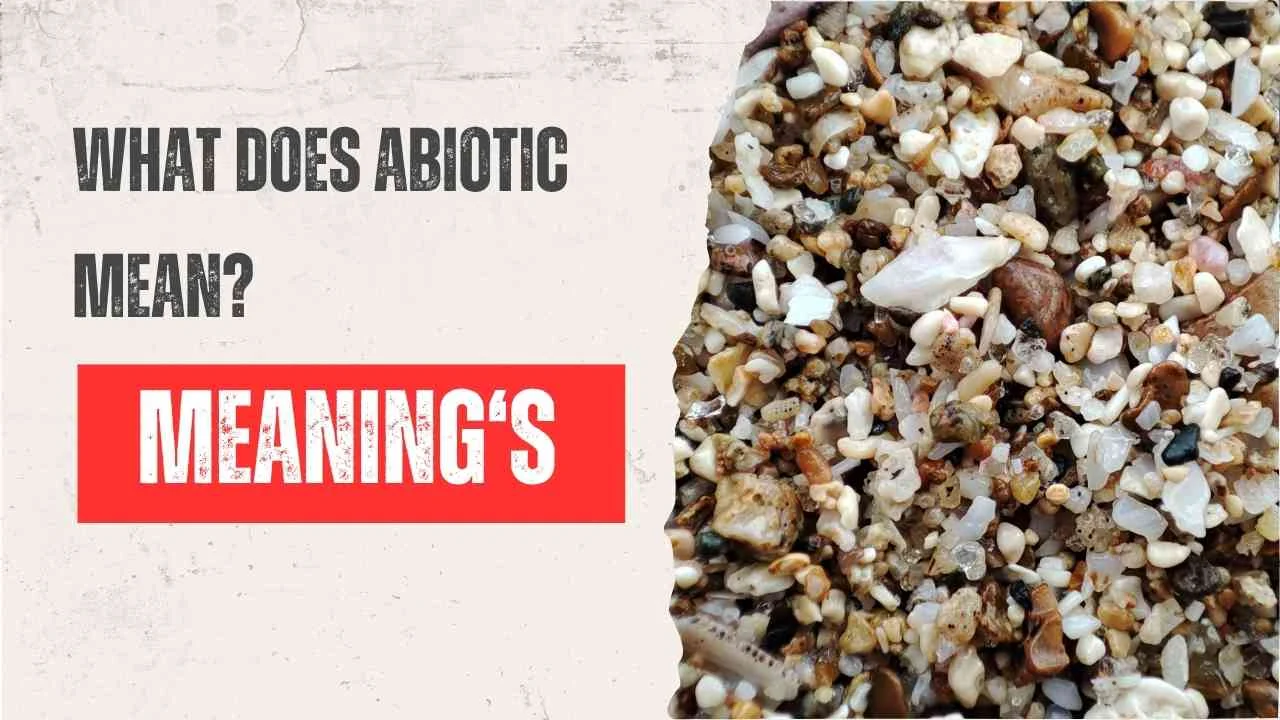
Abiotic means anything that is not alive and comes from physical or chemical elements in the environment. It includes things like sunlight, water, air, soil, and temperature. These factors affect living organisms but are not themselves living. They play a key role in shaping ecosystems.
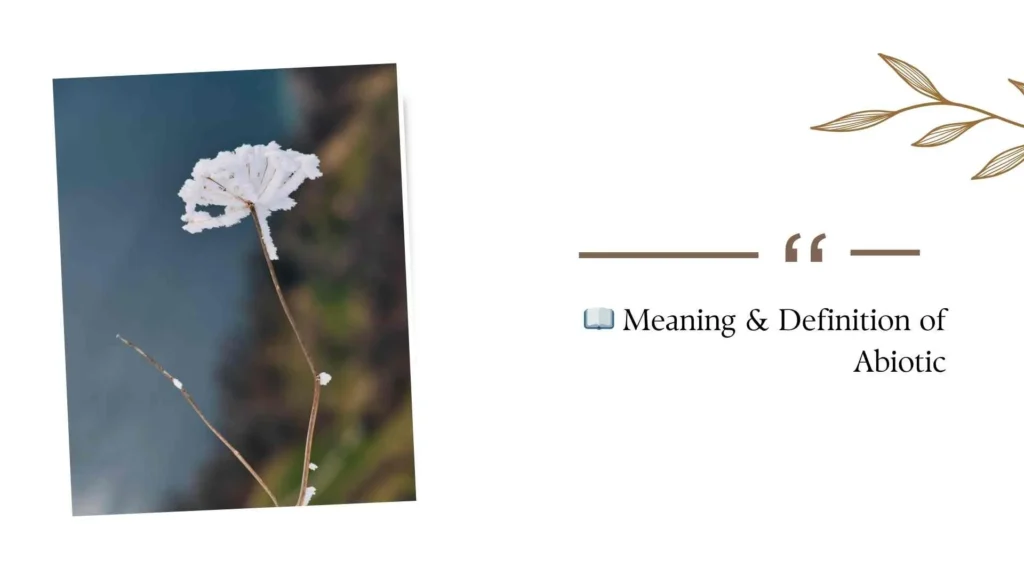
📖 Meaning & Definition of Abiotic
The word abiotic comes from two parts:
- “A-” meaning “without”
- “Biotic” meaning “living”
So, abiotic literally means “without life.”
🌱 Primary Meaning:
Abiotic refers to non-living parts of an ecosystem that influence living organisms.
🌍 Secondary Meaning:
It can also describe physical and chemical conditions like climate, minerals, and weather patterns.
💬 Simple Chat Examples:
- “Plants need sunlight, which is an abiotic factor.”
- “The abiotic conditions in the desert are very harsh.”
📚 Background & Origin
The term abiotic is widely used in biology and environmental science.
- It comes from Greek roots (“a” = without, “bios” = life)
- Became popular in scientific studies of ecosystems in the 19th–20th century
- Used today in school textbooks, environmental research, and climate science
Scientists use it to separate living (biotic) and non-living (abiotic) parts of nature.
🌿 Usage in Different Contexts
💬 Casual Chats
- “This heat is mistaken, totally abiotic conditions!”
- “Water is abiotic but super important for life.”
📱 Social Media
- “Surviving this abiotic weather 🥵 #tooHot”
- “Nature vibes: biotic + abiotic balance 🌿”
🎓 Professional Use
- “Abiotic factors influence species distribution.”
- “Soil pH is an important abiotic variable.”
🎮 Gaming / Group Chats
- “This map has harsh abiotic conditions, hard to survive!”
- “Low water + high heat = abiotic difficulty level 🔥”
📊 Meanings Across Platforms (Table)
| Platform | Tone | Example |
| Casual | “Too hot today, abiotic weather lol” | |
| Aesthetic | “Nature balance 🌿 #biotic #abiotic” | |
| TikTok | Fun/Trendy | “When abiotic factors hit your survival game 😂” |
| Snapchat | Chill | “Abiotic vibes outside 🌞” |
| Discord | Gaming | “This biome has extreme abiotic stress” |
😂 Real-Life Examples & Memes
- “Me trying to survive Monday mornings = abiotic stress 😭”
- “Sun is abiotic but still ruining my day 🔥”
- “Water: I’m abiotic but I run your whole life 😌”
Meme-style lines:
- “Abiotic factors said: no life? no problem 😎”
- “Plants: we need abiotic support pls 🌱”
🌏 Cultural or Regional Interpretations
🇺🇸 US / 🇬🇧 UK
Used mostly in school science and environmental discussions.
🇮🇳 India / 🇵🇰 Pakistan / 🇵🇭 Philippines
Common in biology exams and academic learning, especially ecosystem chapters.
🇦🇺 Australia
Used in environmental science, especially topics like droughts and climate zones.
🧪 Other Meanings
| Field | Meaning | Description |
| Biology | Non-living factors | Sunlight, water, soil |
| Ecology | Environmental elements | Climate conditions |
| Geography | Physical conditions | Temperature, rainfall |
| Environmental Science | Ecosystem factors | Abiotic vs biotic balance |
⚠️ Common Mistakes & Misconceptions
- Thinking abiotic means “unimportant” (it’s actually essential)
- Confusing abiotic with biotic factors
- Assuming only animals and plants matter in ecosystems
- Believing abiotic factors never change
- Mixing up scientific and casual meanings
🧠 Psychological / Emotional Meaning
- Positive: Calm, natural, life-supporting (like sunlight and water)
- Neutral: Scientific, descriptive term
- Negative: Sometimes linked with harsh environments (heat, drought, cold)
🔁 Similar Terms & Alternatives
| Word | Meaning | Tone |
| Non-living | Not alive elements | Neutral |
| Physical factors | Natural conditions | Scientific |
| Environmental factors | Nature-based influences | Formal |
🙂 Is It Offensive or Friendly?
The word abiotic is completely neutral and friendly.
It is a scientific term, not used to insult or judge anyone.
Example:
- Friendly: “Sunlight is an abiotic factor.”
- Neutral: “Abiotic conditions affect survival.”
📘 Grammar or Linguistic Insight
“Abiotic” is an adjective used in science writing.
It helps describe things that are not alive but still important in ecosystems.
Over time, it became common in education and environmental discussions because it clearly separates living and non-living systems.
💬 How to Respond Using Abiotic
- “That’s an abiotic factor in nature.”
- “Yes, it’s part of the abiotic environment.”
- “Water and air are abiotic elements.”
- “That’s a classic example of abiotic influence.”
- “Abiotic conditions are affecting the ecosystem.”
🔄 Differences From Similar Words
| Word | Meaning | Difference |
| Abiotic | Non-living factors | Physical environment |
| Biotic | Living things | Plants, animals |
| Organic | Life-based matter | Living origin materials |
❤️ Relevance in Dating & Online Culture

While not a dating slang term, abiotic sometimes appears in memes or jokes online.
Example:
- “Our relationship has abiotic silence today 😭”
- “She ignored me like I’m an abiotic factor 💀”
Mostly used humorously, not seriously.
📈 Popularity & Trends
- Common in TikTok science memes
- Frequently searched by students during exams
- Used in educational YouTube content
- Appears in biology revision posts on Instagram
🚫 When NOT to Use “Abiotic”
Avoid using it in:
- Romantic messages (sounds unnatural)
- Casual everyday talk where science isn’t relevant
- Emotional conversations
- Workplace communication unless scientific context is needed
Example of wrong use:
- “You are my abiotic love” ❌ (doesn’t make sense)
❓ FAQs
1. What does abiotic mean in simple words?
Abiotic means anything non-living in nature like sunlight, water, and air.
2. What is an example of an abiotic factor?
Sunlight, soil, water, temperature, and wind are common examples.
3. What is the difference between biotic and abiotic?
Biotic means living things, while abiotic means non-living environmental factors.
4. Is abiotic important for life?
Yes, without abiotic factors, living organisms cannot survive.
5. Where is the term abiotic used?
It is mainly used in biology, ecology, and environmental science.
🌟 Conclusion
So, abiotic is a simple but powerful science term that explains the non-living parts of our world. From sunlight to water, these invisible forces shape every living thing around us.
Next time you see nature, remember—it’s not just about plants and animals. The abiotic world is quietly running everything behind the scenes.
And honestly, once you understand it, science starts feeling a lot more connected to real life. 🌍✨